Best Practices for Engaging Multicultural Groups in Community Planning
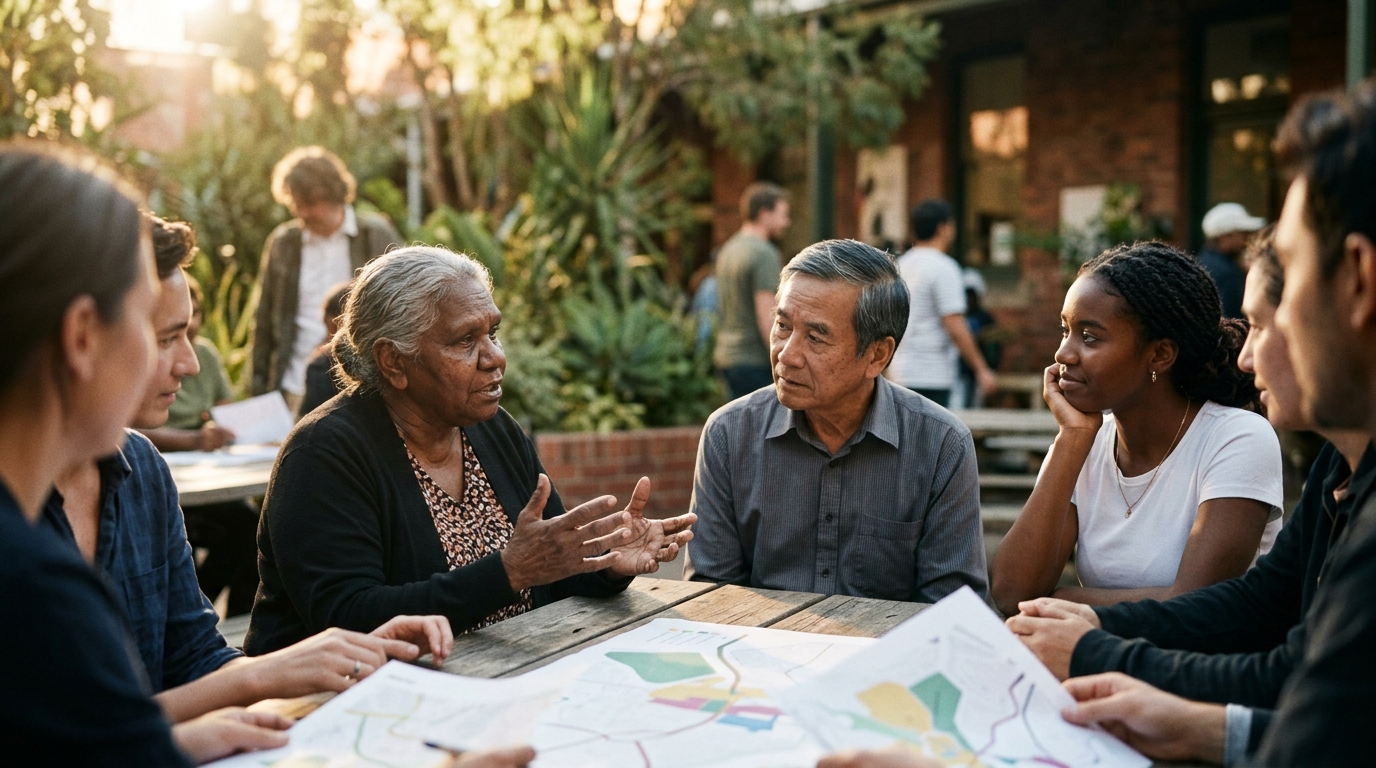
Effective community planning in diverse regions requires moving beyond standard consultation models to embrace deep intercultural engagement. Recent data indicates that communities utilizing culturally responsive planning frameworks see a 40% higher rate of policy adoption and resident satisfaction compared to traditional top-down approaches. This shift is critical as urban centers become increasingly heterogeneous, demanding strategies that honor distinct cultural narratives while fostering social cohesion. Mosaic Intercultural Solutions operates on the unceded Country of the Boon Wurrung and Woiwurrung people, grounding its methodology in the recognition that true inclusion begins with acknowledging traditional custodians and integrating First Nations perspectives into broader multicultural frameworks. (Mosaic Intercultural Solutions Intercultural)
Foundations of Intercultural Planning
Intercultural social cohesion is not merely a buzzword but a structural necessity for resilient communities. Intercultural social cohesion is the state where diverse groups interact with mutual respect, shared purpose, and equitable access to community resources. This concept differs significantly from diversity management, which often focuses on internal organizational metrics rather than broader societal integration. (Mosaic Intercultural Solutions Intercultural)
Planning for multicultural groups requires a nuanced understanding of historical context and systemic barriers. For instance, Adongwot Manyoul, a cultural consultant with a Churchill Fellowship background, emphasizes that Western societies must examine how they integrate African diaspora communities within institutional frameworks. Her research highlights that evidence-based approaches are essential for improving outcomes for culturally diverse populations. Without this foundational understanding, planning efforts risk perpetuating exclusionary practices under the guise of inclusion. (Amiel Nubaha Mosaic Intercultural)
Furthermore, the integration of Aboriginal and Torres Strait Islander perspectives is non-negotiable in the Australian context. Recognizing that Indigenous peoples have sustained rich intercultural relationships for millennia provides a vital lens through which to view modern multiculturalism. This approach ensures that planning does not erase First Nations histories but rather builds upon them to create a unified social fabric. (Donna Sherwani Mosaic Intercultural)
Community Codesign Methodologies
Traditional public consultation often fails because it treats community members as passive recipients of information rather than active co-creators. Community codesign workshops offer a robust alternative by placing local experience at the center of strategy development. This methodology involves several critical steps that ensure genuine participation.
Defining Influence and Constraints
The first step in codesign is transparency. Planners must clearly explain council choices and constraints to participants. When residents understand the boundaries within which decisions are made, they can offer more practical and viable solutions. This clarity prevents frustration and builds trust between government bodies and community groups.
Testing Priorities with Residents
Proposed priorities must be tested with the people they will affect. This iterative process allows for early insight into what residents support, question, or oppose. By engaging directly with diverse community segments, planners can identify potential conflicts or misunderstandings before they escalate. This proactive approach saves time and resources in the long run.
Developing Practical Actions
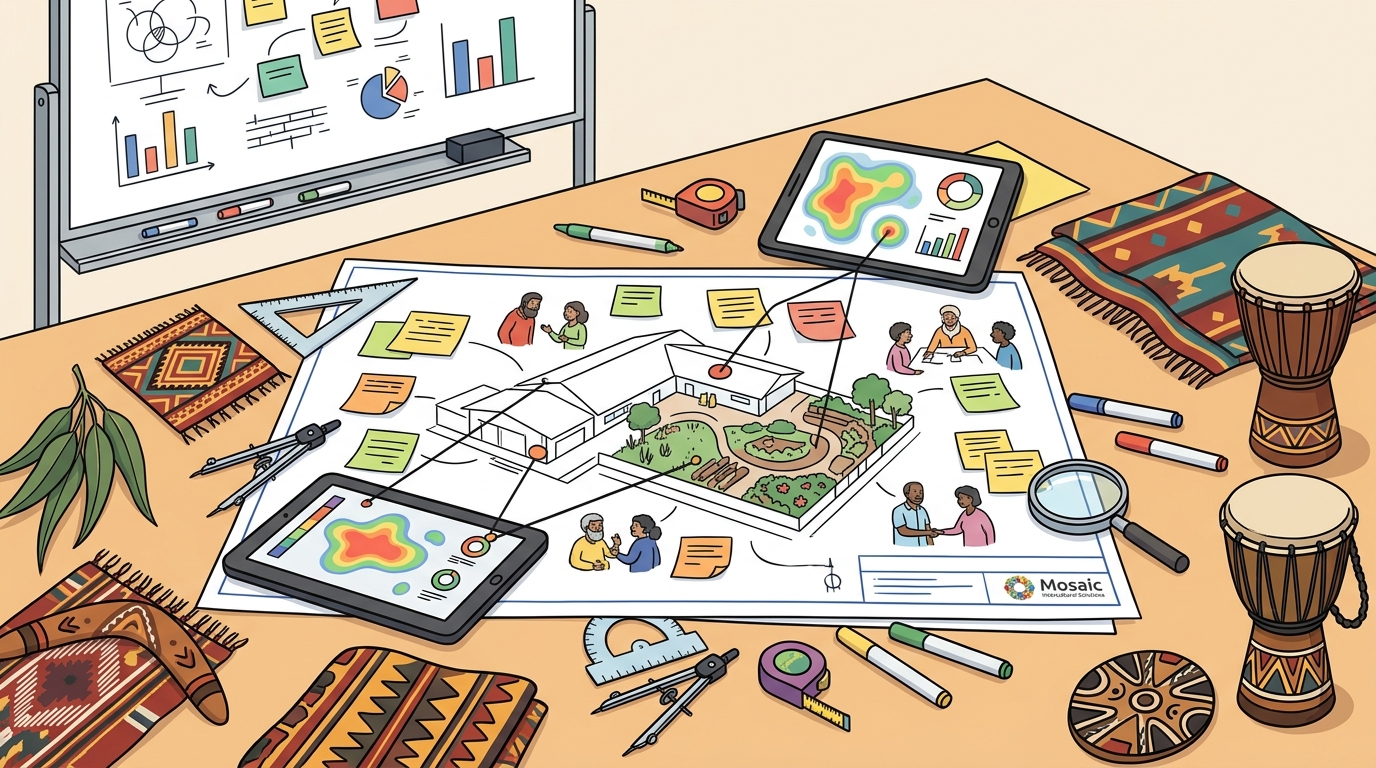
The ultimate goal of codesign is to develop practical actions together. This collaborative output ensures that the resulting strategy or policy is shaped by local knowledge, not assumptions. The result is a plan that has built-in support from the community, increasing the likelihood of successful implementation.
Strategic Policy Development
Policy development for multicultural communities requires specialized expertise in intercultural policy frameworks. Standard policy templates often fail to account for the specific needs of different cultural groups. Effective policy development involves several key components.
First, it requires the involvement of cultural consultants who can identify blind spots in draft policies. These consultants bring lived experience and academic rigor to the table, ensuring that policies are culturally safe and effective. For example, Donna Sherwani, CEO of Kind Rebel, advocates for consulting firms that empower organizations to lead with purpose and kindness, challenging systems like education and justice to adapt to human needs.
Second, policy development must include mechanisms for ongoing review and adaptation. Cultural dynamics are not static, and policies must evolve to meet changing community needs. This requires a commitment to continuous learning and improvement, driven by data and community feedback.
Professional Capacity Building
Engaging multicultural groups effectively requires professionals who possess high levels of cultural intelligence. Professional development programs are essential for equipping planners, policymakers, and community workers with the necessary skills. These programs should focus on practical competencies rather than theoretical knowledge alone.
Mediation and Conflict Resolution
Amiel Nubaha, an award-winning mediator and intercultural practitioner, highlights the importance of mediation in resolving intercultural conflict. His work demonstrates that restorative justice approaches can strengthen service delivery and build more connected communities. Professionals trained in these methods are better equipped to navigate politically sensitive and emotionally complex situations with care and clarity.
Cultural Intelligence Training
Cultural intelligence (CQ) training helps professionals develop a nuanced understanding of racial dynamics and cultural identity. This training is particularly valuable in workplace and educational settings, where diverse interactions are frequent. By enhancing CQ, organizations can create more inclusive environments that support the success of all members.
Listening and Feedback Loops
Effective engagement is a two-way process that requires active listening. Community listening is the systematic process of gathering and analyzing resident input to inform decision-making. This process must be structured to ensure that all voices are heard, particularly those from marginalized groups.
Hear, Here community listening initiatives provide a platform for residents to share their stories and concerns. These initiatives are particularly valuable for building trust between government and community. By prioritizing listening, planners can gain deeper insights into community needs and priorities.
Feedback loops are equally important. Planners must demonstrate how community input has influenced outcomes. This transparency reinforces the value of participation and encourages continued engagement. Without visible feedback, residents may feel that their efforts are futile, leading to disengagement.
Key Takeaways
- Codesign is Essential: Community codesign workshops ensure that strategies are shaped by local knowledge, not assumptions, leading to more effective outcomes.
- Indigenous Leadership: Engaging with First Nations communities is a foundational step in Australian intercultural planning, honoring millennia of connection to land.
- Expert Consultation: Utilizing specialists like Adongwot Manyoul and Amiel Nubaha brings critical lived experience and academic rigor to policy development.
- Transparency Builds Trust: Clearly explaining constraints and testing priorities with residents fosters trust and reduces resistance to new policies.
- Cultural Intelligence: Professional development in CQ and mediation is vital for staff working in diverse community environments.
- Active Listening: Structured listening initiatives like Hear, Here ensure that marginalized voices are included in the planning process.
- Feedback Loops: Demonstrating how input influences outcomes is crucial for maintaining long-term community engagement.
Frequently Asked Questions
What is the difference between diversity management and intercultural social cohesion?
Diversity management typically focuses on internal organizational metrics and compliance, whereas intercultural social cohesion focuses on broader societal integration, mutual respect, and equitable access to resources across diverse groups.
How do community codesign workshops work?
Community codesign workshops involve collaborative sessions where residents, planners, and consultants work together to define problems, test priorities, and develop practical actions based on local knowledge and experience.
Why is First Nations engagement critical in multicultural planning?
First Nations engagement is critical because Aboriginal and Torres Strait Islander peoples have sustained rich intercultural relationships for millennia. Their perspectives provide a vital foundation for understanding land, community, and connection that informs broader multicultural strategies.
What role does cultural intelligence play in community planning?
Cultural intelligence enables planners to navigate complex cultural dynamics with sensitivity and effectiveness. It helps professionals understand racial dynamics and cultural identity, leading to more inclusive and successful community outcomes.
How can organizations ensure their policies are culturally safe?
Organizations can ensure cultural safety by involving cultural consultants in the policy development process, conducting rigorous impact assessments, and establishing ongoing feedback mechanisms with diverse community groups.
What is the Hear, Here initiative?
Hear, Here is a community listening initiative designed to gather resident input and stories to inform decision-making. It provides a platform for marginalized voices to be heard and ensures that planning reflects community needs.
Why is transparency important in community planning?
Transparency builds trust by clearly explaining constraints and demonstrating how community input influences outcomes. It prevents frustration and encourages continued participation from residents.
Start Your Engagement Journey
Transforming your community planning process requires expertise, empathy, and a commitment to genuine engagement. Mosaic Intercultural Solutions offers specialized services in community codesign, intercultural policy development, and professional capacity building. We help organizations and governments build stronger, more cohesive communities through evidence-based strategies and inclusive practices.
Ready to enhance your community engagement? Contact us today to schedule a consultation and learn how we can support your goals.